Hello Nana Wavy Retro Svg Design Review
When I’m evaluating a new digital asset for my embroidery studio, I don’t just look at the file name. I look at the soul of the design. I need to know if it will hold up on a hoop, if it translates well from screen to fabric, and most importantly, if it will resonate with the person who is going to wear or use the finished product. Today, I am putting Hello Nana Wavy Retro Svg Design through its paces. This piece falls squarely into the Crafts and Graphics categories, but in the world of machine embroidery, those labels are just the starting point. The real question is: does this design work as a commercial-grade embroidery project?
First Impressions: Mood and Visual Personality
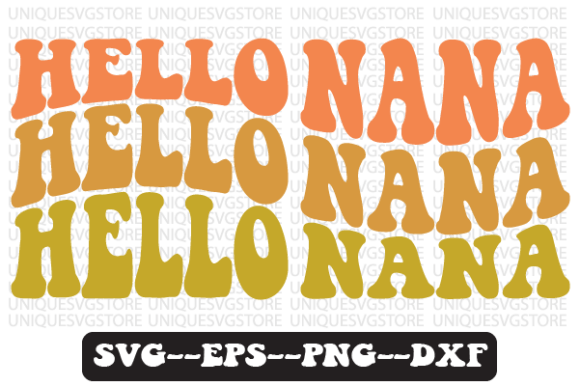
The moment you load this file, the vibe hits you. It is nostalgic, warm, and undeniably cheerful. The "wavy retro" aesthetic taps into that mid-century modern feeling that has been dominating home decor and apparel trends for years. But unlike many retro designs that feel stiff or overly geometric, this one breathes. The curves feel organic, suggesting movement and comfort—perfect for a gift meant to say "I love you" without being overly sentimental.
As a designer, I appreciate how the layout balances text and shape. It isn’t cluttered. There is a clear focal point, which is crucial when we are talking about stitch density. In embroidery, every stitch costs time and thread. A design that feels busy can become muddy on fabric, losing its legibility. Here, the negative space seems intentional, giving the eye room to rest. This suggests that the final finished product will have a clean, professional look rather than a chaotic, homemade appearance.
Real-World Application: Where Does This Shine?
I like to imagine this design in three specific scenarios to test its versatility. These aren't hypothetical exercises; these are the exact projects I receive requests for from clients and friends.
The Boutique Sweatshirt
Picture a cozy, oversized cream-colored sweatshirt. Placing the Hello Nana Wavy Retro Svg Design on the front chest area creates an instant statement piece. Because the retro theme pairs so well with soft fabrics, this would make a fantastic holiday gift or a birthday present for a grandmother who appreciates vintage style. The wavy lines likely translate beautifully into a fill stitch, creating a textured background that contrasts nicely against the smooth knit of the sweatshirt. For an Etsy seller, this is a low-risk, high-reward item because it appeals to a broad demographic.
The Personalized Baby Onesie
Another strong contender is a baby shower gift. A soft pastel onesie featuring this design adds a touch of whimsy. However, this requires careful consideration of scale. If the design is too large, it might overwhelm a tiny garment. But if sized correctly, the playful font and retro curves become incredibly endearing. Parents love personalized items, and "Hello Nana" strikes that perfect chord of family connection. This would also work wonderfully on a receiving blanket or a nursery wall hanging, expanding the utility of your design assets.
The Custom Tote Bag
For the practical crafter, a canvas tote bag is the ultimate test. Canvas is sturdy, forgiving, and holds stitches well. Using this design on a tote makes it a functional piece of art. Whether it’s used for groceries, library books, or beach gear, the retro aesthetic gives it a chic, boutique feel. This elevates a simple canvas bag into a handmade product that customers are willing to pay a premium for. It’s not just a bag; it’s a fashion accessory.
Technical Considerations for Embroidery Designers
While the visual appeal is high, we must talk about execution. Translating a printable png sublimation design into a stable machine embroidery design requires technical savvy. Here is what you need to watch out for.
- Hoop Size and Stability: Always check the hoop size requirements before stitching. If the design exceeds your machine’s standard hoop, you may need to reposition it or use a larger frame. Ensure you are using the right stabilizer for your fabric type. For stretchy knits like t-shirts, a cut-away stabilizer is non-negotiable to prevent puckering.
- Thread Color Contrast: The success of this design hinges on contrast. If you are stitching on dark fabric, you cannot use light threads for the fine details. Conversely, on white fabric, dark outlines might get lost. Test your thread colors on scrap fabric first. I often recommend converting the design to black and white in your digitizing software to ensure the shapes remain distinct regardless of color choice.
- Stitch Density and Detail: Look closely at the small letters and any decorative accents. Are they too thin? Fine satin stitch work can break or fray if the density is too low. If the original graphic relies on very thin lines, you may need to adjust the underlay stitches or increase the width of the satin stitches to ensure durability, especially for items that will be washed frequently.
- Fabric Texture: Avoid using this design on highly textured fabrics like heavy wool or loose-weave burlap unless you are experienced. The waves and curves need a relatively smooth surface to read clearly. Cotton blends, jersey knits, and canvas are your safest bets.
Commercial Viability and Licensing
For those of us running a craft business or selling on platforms like Etsy, licensing is everything. The description mentions this is a printable PNG and SVG, which often implies a digital download license. You must verify whether this license allows for commercial embroidery. Can you sell the physical embroidered items? Is there a limit on the number of units? Never assume. Check the terms provided by the creator. If you are unsure, treat it as personal-use only until clarified. Protecting your reputation means ensuring your small shop product listings are legally sound.
Final Verdict
Hello Nana Wavy Retro Svg Design is a charming, versatile asset that brings warmth and nostalgia to any embroidery project. It is ideal for custom apparel, personalized gifts, and home decor. Its retro charm ensures it stays relevant, while its clean layout makes it technically feasible for most home and commercial machines.
My advice? Start small. Stitch a sample on a scrap of your intended fabric. Inspect the corners, check the tension, and see how the light catches the stitch density. If it looks crisp and feels durable, you have a winner. This design has the potential to become a staple in your repertoire, helping you create meaningful, beautiful handmade products that customers will cherish. Just remember to always prioritize quality control and proper licensing. Happy stitching!