Mental Health Retro Svg Design Bundle Review
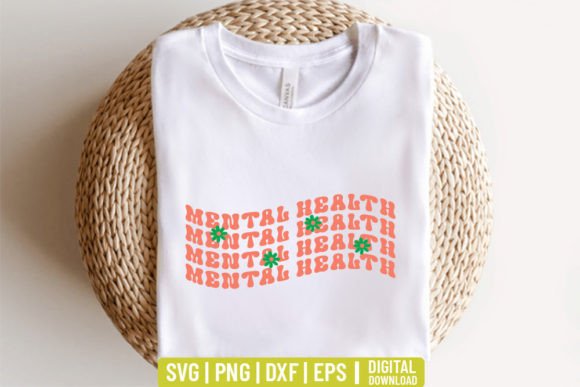
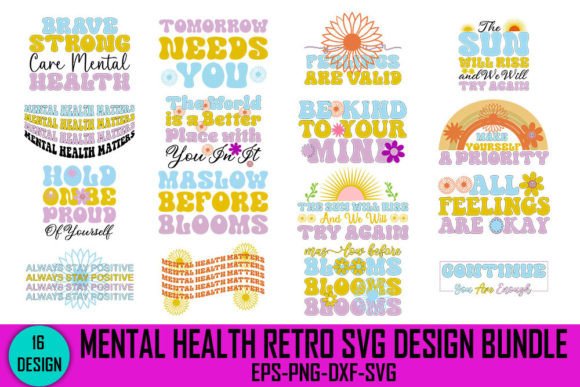
As a designer who spends half my day staring at stitch patterns and the other half worrying about client deadlines, I don’t just buy digital assets; I vet them for real-world application. The Mental Health Retro Svg Design Bundle caught my eye not just because of the growing demand for mental health awareness merchandise, but because of its specific aesthetic direction. We are moving away from sterile, clinical visuals toward something warmer, more nostalgic, and deeply human. This bundle promises 16 distinct designs across multiple formats, including EPS, SVG, DXF, and PNG files, which suggests versatility beyond just embroidery. But does it hold up when transferred to fabric? Let’s dig into the practical side of using these graphics in your craft business.
First Impressions: Mood and Visual Personality
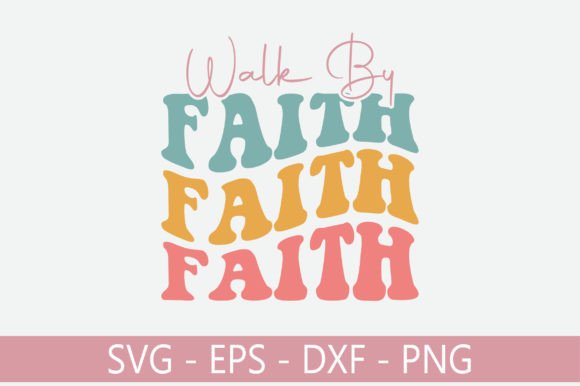
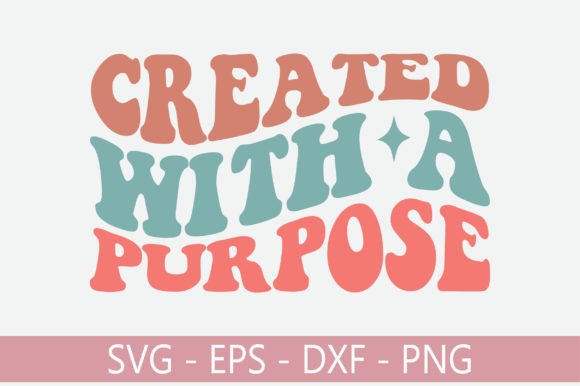
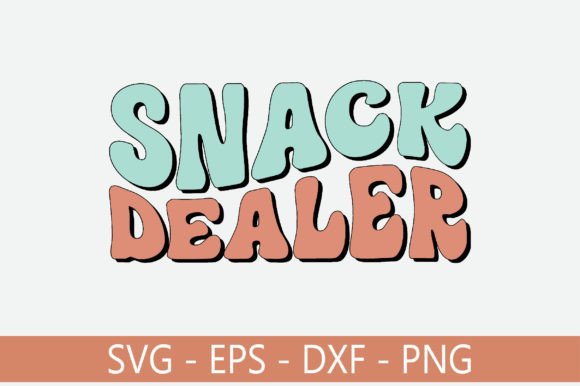
The term "retro" can be vague, but in this context, it feels intentional. The designs likely lean into vintage typography, soft color palettes (if you are planning full-color fills), or bold, simplified shapes that echo mid-century graphic design. For an embroidery project, this is crucial. Embroidery struggles with subtle gradients and fine details. A retro style often relies on strong outlines and clear negative space, which translates beautifully to thread work. When I look at a preview image showing 16 designs, I am looking for consistency in line weight and visual balance. If one design looks like a logo and another looks like a complex illustration, they won’t work well together in a cohesive shop collection.
The theme itself carries weight. Mental health awareness is no longer a niche topic; it is a mainstream conversation. Customers are seeking products that signal empathy, resilience, and self-care without being overly sentimental. A retro approach softens the message, making it feel approachable rather than heavy. This makes the Mental Health Retro Svg Design Bundle particularly suitable for everyday wearables—items people want to wear proudly in public, not just as a statement piece for private reflection.
Real-World Application: From Screen to Stitch
Let’s imagine a specific scenario. You are preparing a batch of custom embroidered tote bags for an upcoming craft fair or an Etsy listing targeting young professionals. You want a product that speaks to their need for balance and mindfulness. Using one of the designs from this bundle, you could place a centered chest logo on a canvas tote or a larger graphic on the front panel. The key here is how the design interacts with the fabric texture. Canvas is sturdy, allowing for clean satin stitches around borders. However, if you choose to use this design on a sweatshirt or a baby onesie, the dynamics change.
For sweatshirt embroidery, the retro aesthetic works exceptionally well. Vintage-style fonts paired with simple icons (like a brain, a heart, or abstract waves) read clearly on fleece or cotton blends. The design needs to have enough visual weight to stand out against the nap of the fabric. Similarly, for baby embroidery, where fabrics are softer and hoops smaller, the design must be scaled appropriately. Large, intricate retro patterns might overwhelm a tiny bib or hat. You would need to select the simpler, more minimalist designs from the 16 included to ensure they fit within standard small hoop sizes while remaining legible.
I also see potential in embroidered patches. Many crafters create iron-on or sew-on patches for denim jackets and backpacks. The vector nature of the SVG and EPS files means you can resize these designs without losing quality. If a customer wants a patch that says "Take a Breath" in a bubbly retro font, the DXF file allows for laser cutting if you are making felt patches, while the SVG ensures perfect stitching paths for machine applique. This multi-format availability is a significant value add for commercial embroidery projects where you might need to offer different production methods.
Where Caution Is Required
No design is universally perfect, and the Mental Health Retro Svg Design Bundle has areas where you must exercise professional judgment. First, consider stitch density. Retro designs sometimes feature thick, blocky lettering. If these are digitized with excessive fill stitch, they can become stiff and uncomfortable to wear, especially on delicate fabrics like thin t-shirts or linen aprons. Always test the design on scrap fabric first to check how dense the thread pack is. If it feels like a plastic badge, you may need to adjust the underlay or switch to a running stitch outline for a lighter touch.
Another critical factor is thread color contrast. Retro palettes often include pastels or muted tones. On dark fabric, light pastel threads can get lost unless you use a high-density stitch or a contrasting backing. Conversely, bright neon retro colors on white fabric can vibrate visually and cause eye strain. I recommend testing your chosen thread colors in black and white mockups before committing to a full production run. This helps you verify that the shape remains distinct even without color information.
Furthermore, be mindful of curved surfaces like caps or curved tote bag handles. Designs with sharp corners or rigid geometric shapes may distort when pulled over a curve. Rounded elements in the retro design will fare better. Also, inspect any small details or tiny lettering closely. In the world of machine embroidery design, text smaller than 0.5 inches often becomes illegible after washing. Ensure the smallest elements in the bundle are large enough to survive the laundry cycle, especially for items like kitchen towels or aprons that undergo frequent laundering.
Impact on Brand and Customer Trust
Using a cohesive, professionally designed asset like this bundle elevates your craft business perception. When customers see consistent quality in your handmade products, they trust the brand. A messy or poorly digitized design can make a great concept look amateurish. By choosing a bundle with clear, balanced layouts, you signal professionalism. This is vital for Etsy sellers and small shop owners competing in crowded markets. Your product photos, whether physical or printable mockups, will look sharper, increasing click-through rates and buyer engagement.
The emotional resonance of the theme also drives sales. People buy personalized gifts and holiday embroidery items to connect with others. A design that promotes mental wellness acts as a conversation starter. It shows that you, as the maker, understand the values of your audience. This builds a deeper connection than a generic pattern ever could. Whether it’s a wedding gift for a couple starting a new life or a nursery decor item for new parents, the right design choice adds meaning to the transaction.
Practical Designer Notes for Success
- Stabilizer Selection: Always match your stabilizer to the fabric. For stretchy knit caps, use a cut-away stabilizer to prevent distortion. For woven cotton totes, tear-away may suffice, but wash-away offers the cleanest finish for detailed retro lines.
- Licensing Check: Before selling finished items, confirm the license terms. Most bundles allow commercial use of the finished product, but some restrict reselling the digital files themselves. Ensure you are compliant to protect your digital product seller rights.
- Mockup Testing: Create digital mockups using the PNG files provided. Place them on various garment backgrounds to visualize scale and placement. This saves time on physical samples during the design phase.
- Thread Quality: Use high-quality polyester or rayon threads. Cheap thread can break easily in dense retro fills and may lack the sheen that makes embroidery pop. The visual appeal of your finished product depends heavily on thread luster.
In conclusion, the Mental Health Retro Svg Design Bundle offers a thoughtful, versatile toolkit for designers looking to tap into the meaningful market of wellness-focused crafts. Its retro aesthetic provides a timeless appeal that works across apparel, home goods, and accessories. By paying attention to stitch density, fabric compatibility, and proper digitization techniques, you can transform these digital assets into high-value, emotionally resonant handmade products. Just remember to test thoroughly, respect licensing agreements, and always prioritize the tactile experience of the wearer. When done right, these designs do more than decorate fabric; they comfort and connect.