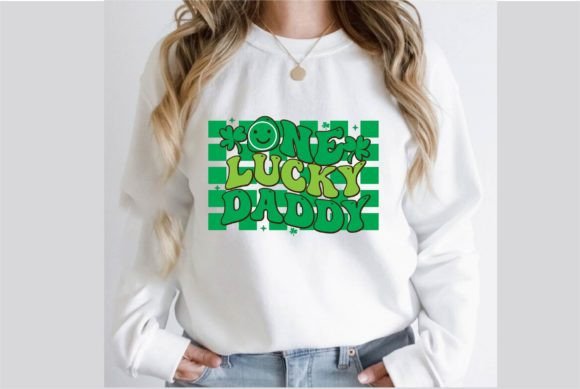
One Lucky Daddy Retro SVG Design Review
As a designer who spends half my day digitizing and the other half testing stitches on everything from heavy denim to delicate muslin, I don’t just look at an image file; I look at the end product. When I pulled up One Lucky Daddy Retro SVG Design, my first thought wasn’t about the pixels—it was about the thread path. This is a Father’s Day specific asset, but in the world of handmade goods, timing is everything. The question isn’t whether it looks good on a screen; it’s whether it holds up under the tension of an embroidery machine and appeals to a customer scrolling through Etsy at midnight.
The retro aesthetic is currently dominating the craft market. It feels nostalgic, warm, and approachable. This design taps into that mood immediately. The visual personality suggests a relaxed, vintage vibe that works exceptionally well for casual wear and home decor. However, not all retro styles translate well to stitch work. Some rely too heavily on fine gradients or tiny text that turns into a muddy blob after three washes. My review focuses on how this specific machine embroidery design navigates those pitfalls when moved from a digital graphic to a physical handmade product.
First Impressions: Mood and Layout
The layout of One Lucky Daddy Retro SVG Design strikes a balance between bold statement and subtle detail. In embroidery, whitespace is your friend because it gives the eye a place to rest amidst the texture of the stitches. The design appears to utilize strong, clean lines that are forgiving of minor stitching errors—a crucial factor when you are producing items for a busy season like Father’s Day.
The theme is clearly centered around fatherhood, but the "retro" angle softens it. It avoids being overly sentimental or cheesy, which often alienates modern buyers who prefer minimalist or stylized aesthetics. Instead, it feels like a piece of art that could hang on a wall or sit comfortably on a chest pocket. For an Etsy seller or a small shop owner, this distinction matters. You want a design that feels premium, not mass-produced. The visual weight of this design suggests it will photograph beautifully, which is half the battle in selling design assets online.
Real-World Application: Where Does It Shine?
I envision this design finding its best life on sturdy cotton blends. Let’s talk about a real scenario: preparing a batch of custom embroidered tote bags for a local farmers market or a holiday pop-up shop. A canvas tote provides a flat, stable surface that is ideal for beginners and pros alike. The retro typography and graphics would pop against natural canvas or navy blue fabric, creating a high-contrast look that screams quality.
Another strong candidate is the classic crewneck sweatshirt. There is something inherently cozy about a retro-themed sweatshirt, especially during the fall and winter months leading up to gift-giving seasons. When stitched onto a fleece or heavy cotton blend, the fill stitch areas of the design will create a plush, tactile experience that customers love to touch. It transforms a basic garment into a personalized gift that feels intentional and thoughtful.
For those looking to expand their catalog, consider the embroidered patch route. If the design allows for a clean border or can be easily outlined, it makes for an excellent iron-on or sew-on patch. These are popular add-ons for denim jackets and backpacks. The versatility of the source files—specifically the inclusion of Svg and Png formats alongside vector options—means you can resize it without losing clarity, allowing you to offer different size variations for different products.
Beyond Apparel: Home and Baby
Don’t limit your imagination to clothing. This design has strong potential for home decor. Imagine it stitched onto a linen tea towel for a new dad’s kitchen. The durability of the embroidery means it can withstand frequent washing, unlike printed designs that crack over time. Alternatively, for a baby shower or christening gift, a smaller version on a burp cloth or a receiving blanket adds a sweet, personalized touch. The retro style fits perfectly with the current trend of gender-neutral, vintage-inspired nursery themes.
Technical Considerations and Potential Pitfalls
While the design is promising, no digitization is perfect, and every fabric presents unique challenges. Here is where you need to pay attention to avoid ruining a sale or wasting expensive materials.
- Hoop Size Constraints: Before committing to production, check the dimensions of the design against your machine’s hoop limits. If you plan to embroider this on a cap or a curved hat, you will need a specialized cap frame. The curvature can distort straight lines, so test the stitch density carefully. If the design is too wide for a standard 5x7 hoop, you may need to split it or choose a larger hoop, which changes the look of the final piece.
- Fabric Texture and Stability: Embroidery on stretchy fabrics like jersey or thin synthetics requires a stabilizer. Without proper backing, the fabric will pucker, and the satin stitch edges will look wavy and unprofessional. Always use a cut-away stabilizer for knitwear to ensure the design doesn’t collapse after washing. On textured fabrics like terry cloth or fleece, the needle penetration can be inconsistent, potentially causing thread breaks or uneven coverage.
- Thread Color Contrast: The visual appeal relies heavily on color choice. If the background fabric is dark, you must use light or metallic threads to ensure the details remain visible. Conversely, on light fabrics, dark threads provide sharp definition. Test your thread colors on scrap fabric before running a full production run. Sometimes a color that looks vibrant on screen appears dull in thread form due to the sheen and thickness differences.
- Dense Stitch Areas: Check for any areas where the fill stitch might be too dense. Excessive density leads to bulkiness, making the garment uncomfortable to wear and increasing the risk of needle breakage. If the design has intricate details, ensure they are large enough to be distinguished by the naked eye. Tiny text or thin lines often disappear once stitched, turning into a solid block of color.
Practical Designer Notes for Commercial Success
If you are using this design for commercial purposes, licensing is non-negotiable. Ensure you have the right to sell finished items made from this digital embroidery file. Many creators offer different tiers of licenses for personal use versus commercial resale. Violating these terms can lead to serious legal issues and damage your reputation as a craft business owner.
To maximize your marketing efforts, create printable mockups that show the design in context. Show the One Lucky Daddy Retro SVG Design on a folded sweatshirt, inside a gift box, or being worn by a model. High-quality visuals build trust and help buyers visualize the finished product. Additionally, test the design in black and white mockups to ensure the composition holds up without the distraction of color. This helps you evaluate the strength of the shape and layout itself.
Finally, always inspect small details closely. Look for loose threads, misaligned elements, or areas where the fabric shows through the stitching. A flawless finish is what separates a hobbyist project from a professional small shop product. By taking the time to test thoroughly and understand the limitations of your equipment, you protect your brand integrity and ensure customer satisfaction.
In summary, One Lucky Daddy Retro SVG Design offers a strong foundation for a variety of projects, particularly in the apparel and gift sectors. Its retro charm is timeless, and its layout is generally friendly to embroidery processes. With careful attention to fabric choice, stabilizer selection, and color contrast, it can become a standout item in your catalog. Just remember: the magic happens in the stitching, not just the file. Treat it with respect, test it rigorously, and you’ll have a winning product ready for your customers.