Sixth Grade Vibes Wavy Retro Svg Design Review
As a designer who spends half my life staring at stitch maps and the other half troubleshooting tension issues on vintage machines, I don’t just buy designs because they look cute in a thumbnail. I evaluate them based on how they will actually behave under the needle. When I first pulled up Sixth Grade Vibes Wavy Retro Svg Design, my immediate reaction was one of cautious optimism. The wavy, retro aesthetic is undeniably trendy right now, tapping into that nostalgic 70s and early 80s vibe that resonates with millennials and Gen Z alike. But does it translate well from a digital screen to a physical embroidery project? That is the real question.
First Impressions and Visual Personality
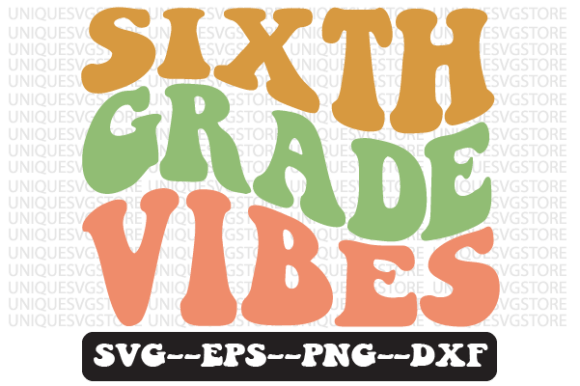
The design carries a specific mood: playful, slightly chaotic, and effortlessly cool. The wavy lines suggest movement and energy, which works beautifully for apparel that needs to pop. From a layout perspective, the curves are bold enough to be legible even when stitched down, but they require careful consideration regarding stitch direction. If you are looking for something that screams "handmade product" without trying too hard, this fits the bill. It feels like a natural fit for a custom sweatshirt or a tote bag design meant for a creative entrepreneur’s shop.
Visually, the design has a strong graphic quality. This is crucial because embroidery simplifies shapes. Fine details often get lost, but the primary shapes in Sixth Grade Vibes Wavy Retro Svg Design appear robust. It suggests a finished product that maintains its brand consistency even after a few washes. For an Etsy seller, this means less customer service time dealing with complaints about blurred logos or unreadable text.
Real-World Application: The Custom Sweatshirt Scenario
Let’s imagine a practical scenario. You are preparing a batch of custom hoodies for a local craft fair or a small boutique order. You want something that appeals to parents buying gifts for their sixth graders, or perhaps older kids who appreciate retro aesthetics. You choose Sixth Grade Vibes Wavy Retro Svg Design for the chest area.
When stitching this out, the wavy nature of the design demands attention to fabric stability. On a heavy cotton fleece hoodie, the design holds its shape well, especially if you use a proper stabilizer. However, if you were to attempt this on a thin, stretchy jersey knit without adequate support, the waves might distort, leading to puckering. In this context, the design acts as a statement piece. It elevates a basic garment into a personalized gift that feels thoughtful and curated. Customers can see the effort put into the selection, which builds trust and increases the perceived value of your handmade items.
Where This Design Shines
This design is versatile across several categories of craft business merchandise:
- Custom Apparel: It works exceptionally well on long sleeve tees, tank tops, and sweatshirts where there is ample flat space for the waves to flow.
- Baby Embroidery: While the name says "Sixth Grade," the retro style is popular for baby onesies and toddler outfits. Just ensure the scale is adjusted appropriately so it doesn’t overwhelm the small canvas.
- Home Decor: Imagine this on a kitchen towel or a pillow cover. The wavy lines add a soft, organic feel to home goods, making it a great choice for holiday embroidery projects.
- Digital Product Previews: As a printable mockup asset, the high contrast and clear lines make it easy to visualize on various backgrounds, helping you sell the idea before the physical product is even made.
Critical Considerations for Stitching Success
Not every design works everywhere. With Sixth Grade Vibes Wavy Retro Svg Design, there are specific areas where you need to exercise caution to avoid costly mistakes.
First, consider the hoop size. If you are working with a smaller hoop, you may need to split the design or resize it significantly. Resizing too much can impact the balance between the different stitch types. If the design relies heavily on a mix of satin stitch for outlines and fill stitch for the body, reducing it below a certain threshold can cause the stitches to merge, losing the intended texture.
Second, think about thread colors. The retro vibe often calls for muted tones or bright pastels. Ensure you have enough contrast between the thread and the fabric. On dark fabric, a light pastel thread might get lost unless you use a high-density underlay or a contrasting backing. Conversely, on light fabric, dark threads provide sharp definition. Always test your thread color contrast on scrap fabric before committing to the final piece.
Another point of concern is stitch density. Wavy designs can sometimes create longer runs of thread, which might lead to tangling if the machine isn’t properly calibrated. Check the stitch density settings in your software. If the design is too dense, it can make the fabric stiff and uncomfortable, especially on garments like t-shirts or baby clothes. If it’s too sparse, the underlying fabric might show through, ruining the clean look of the embroidery file.
Materials and Fabric Texture
The texture of your fabric plays a huge role in the final outcome. On smooth fabrics like polyester blends, the design will look crisp and professional. However, on textured fabrics like chenille or heavy tweed, the fine details of the waves might get swallowed by the fabric’s nap. In these cases, you might want to simplify the design or use a larger font size if lettering is involved.
Also, be mindful of curved surfaces. While this design looks great on flat panels, applying it to a cap or a rounded tote bag requires careful digitizing adjustments to prevent distortion. The waves might stretch unevenly, altering the intended rhythm of the pattern. For such applications, consider using an applique design approach or ensuring the digitizer has accounted for curvature compensation.
Practical Designer Notes for Implementation
Before you start mass-producing items with Sixth Grade Vibes Wavy Retro Svg Design, follow these practical steps to ensure quality:
- Test on Scrap Fabric: Never skip this step. Stitch the design on a piece of the same fabric you plan to use. This reveals issues with tension, pull, and stability that you won’t see on paper.
- Check Small Details: Zoom in on the digital file. Are there any tiny elements that might break during stitching? If so, consider simplifying those areas.
- Black and White Mockups: Convert the design to black and white in your editing software. This helps you see the true shape and balance of the design without being distracted by color choices.
- Stabilizer Selection: Use the appropriate stabilizer for your fabric weight. A cut-away stabilizer is usually best for knits and stretchy materials to prevent shifting.
- Licensing Confirmation: If you are planning to sell finished products, confirm the licensing terms of the digital embroidery file. Some designs are for personal use only, while others allow commercial sales. Clear licensing protects your small shop product from legal issues.
Final Verdict
Sixth Grade Vibes Wavy Retro Svg Design is a solid addition to any designer’s library, particularly for those focusing on commercial embroidery and custom apparel. Its retro charm and dynamic lines offer a fresh alternative to standard geometric or floral designs. When executed correctly, it results in a finished product that feels modern yet nostalgic, appealing to a wide audience.
However, success depends on your technical execution. Pay attention to stitch density, fabric choice, and stabilization. By treating the design with respect and testing it thoroughly, you can create handmade products that stand out in a crowded market. Whether you are creating a personalized gift for a friend or stocking your Etsy listings with trendy gear, this design provides a reliable foundation for creative expression. Just remember to inspect the design assets closely and adjust your workflow accordingly to ensure every stitch counts.