Empowerment Sis Wavy Retro Svg Design Review
As a designer who spends more time staring at stitch patterns than actual sleep, I have developed a keen eye for what translates from a screen to fabric. When I first pulled up the Empowerment Sis Wavy Retro Svg Design, my initial reaction was one of cautious optimism. The aesthetic is undeniably strong, tapping into that nostalgic wave of retro typography and wavy distortions that has been dominating visual culture lately. But does it hold up when you are actually running it through an embroidery machine? That is the question that matters most to anyone looking to turn this digital asset into a tangible, sellable product.
This review isn't just about how the design looks in a preview window; it is about how it performs in the real world of handmade commerce. Whether you are an Etsy seller preparing inventory for a holiday rush, a boutique owner sourcing unique gifts, or a hobbyist making a personalized gift for a friend, understanding the practical application of this file is crucial. We are going to break down the visual appeal, the stitching implications, and the specific use cases where this design shines—or where it might need some tweaking.
First Impressions: Mood and Visual Personality
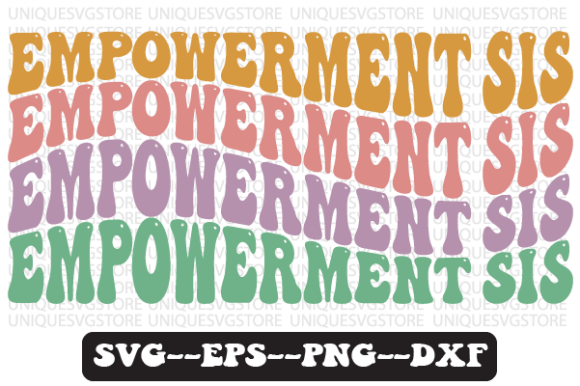
The Empowerment Sis Wavy Retro Svg Design immediately communicates confidence. The "wavy" element suggests movement and fluidity, while the retro styling adds a layer of familiarity and warmth. It feels like something you would see on a vintage concert poster or a 70s lifestyle magazine. This mood makes it incredibly versatile for projects that aim to inspire or celebrate sisterhood, friendship, and female empowerment.
From a layout perspective, the design balances boldness with readability. For embroidery, legibility is king. If the text becomes too distorted by the wavy effect, customers may struggle to read the message, which can lead to returns or dissatisfaction. In this case, the curves enhance the letters rather than obscuring them. The visual personality is playful yet grounded, making it suitable for a wide range of demographics, from teenagers to adults who appreciate vintage aesthetics. It creates a sense of community and belonging, which is a powerful emotional hook for buyers.
Real-World Application: Where Does It Fit?
So, where should you place this design? Let’s look at a few scenarios based on actual project planning.
- Custom Apparel: This design works exceptionally well on sweatshirts and hoodies. The retro vibe pairs naturally with the cozy, casual nature of these garments. Imagine a thick cotton-blend hoodie in heather grey or navy, featuring this design centered on the chest or as a large back print. The contrast between the soft fabric and the structured embroidery adds value.
- Tote Bags and Canvas Items: A sturdy canvas tote bag is another excellent candidate. The design’s bold lines will stand out against the natural texture of canvas. It transforms a simple utility item into a statement piece, perfect for a craft fair booth or a branded merchandise drop.
- Baby and Nursery Decor: While the theme is empowering, the retro style is soft enough for nursery applications. Placing a smaller version of this design on a onesie or a quilted pillow cover can create a meaningful keepsake. However, care must be taken with placement to ensure it doesn’t overwhelm the small surface area.
- Accessories: Caps, aprons, and tea towels are also viable options. For caps, the curved brim requires careful digitizing consideration to ensure the wavy text follows the contour without distorting. Aprons offer a large, flat canvas that allows the full detail of the design to breathe.
For the Etsy seller or small shop product creator, this design offers high commercial potential. It fits seamlessly into categories like personalized gift items, holiday embroidery collections, and wedding gifts. The emotional resonance of the word "Sis" combined with the trendy aesthetic makes it highly shareable on social media platforms, which is a key driver for online sales.
Technical Considerations and Stitching Clarity
Transitioning from a PNG sublimation file to an actual machine embroidery design introduces several technical variables. The primary concern with any wavy or distorted text is stitch density and clarity. If the curves are too tight, the needle may skip stitches, or the thread may bunch up, ruining the clean lines that make the design appealing.
When evaluating this for production, I always recommend testing the design on scrap fabric first. Pay close attention to the stitch density. Areas where the fill stitch converges should be checked for puckering. If the design uses a lot of satin stitch around the edges of the letters, ensure that the underlay is sufficient to keep the fabric stable. On stretchy fabrics like jersey knits used for t-shirts, a cut-away stabilizer is non-negotiable to prevent distortion during washing.
Another critical factor is thread color contrast. The effectiveness of the Empowerment Sis Wavy Retro Svg Design relies heavily on visibility. On dark fabrics, light-colored threads will pop, but you must ensure the thread choice complements the retro palette. On light fabrics, darker threads provide a classic look. Always test your thread colors against your intended fabric background. A black and white mockup can help you visualize the contrast before you commit to expensive materials.
Fabric Texture and Surface Challenges
Not all surfaces are created equal. Embroidering on textured fabrics, such as heavy denim or bouclé wool, can obscure fine details. The wavy lines might get lost in the weave of the material. Similarly, thin fabrics require extra stabilization to prevent tear-away stabilizer fragments from remaining in the final product. Curved surfaces, like the front panel of a baseball cap, present their own challenges. The design must be digitized to account for the curvature, or it will look warped once stitched.
If you are producing embroidered patches, the dense stitch areas might become stiff. This is generally acceptable for patches but could be uncomfortable if placed directly on sensitive skin, such as on a baby’s onesie. In such cases, opting for a lighter stitch density or using applique techniques might be preferable.
Impact on Product Value and Brand Consistency
Using a high-quality design like this elevates the perceived value of your finished product. Customers can often tell the difference between a generic, poorly executed print and a well-digitized embroidery piece. The latter conveys professionalism and attention to detail, which builds customer trust and encourages repeat business.
For brands focusing on empowerment and community, this design reinforces brand identity. It aligns with values of strength and connection. When you consistently use designs that resonate with your target audience, you create a cohesive brand consistency across your design assets. This is particularly important for digital product sellers who offer printable mockups or templates. Showing how the design looks on various products helps buyers visualize the end result, increasing conversion rates.
Practical Designer Notes for Success
To ensure the best results with the Empowerment Sis Wavy Retro Svg Design, follow these practical steps:
- Test Before You Sell: Never mass-produce without a prototype. Run the design on the exact fabric and stabilizer combination you plan to use.
- Check Licensing: Confirm whether the file includes commercial rights if you intend to sell finished items. This is vital for craft business owners to avoid legal issues.
- Hoop Size Verification: Ensure the design fits within your standard hoop sizes. If the design is larger than your hoop, you will need to rehoop, which can affect alignment.
- Inspect Small Details: Zoom in on the digital file. Are there tiny elements that might not stitch well? Simplify if necessary.
- Stabilizer Choice: Match the stabilizer to the fabric weight. Heavy fabrics need heavy stabilizers; lightweight fabrics need light, breathable options.
In conclusion, the Empowerment Sis Wavy Retro Svg Design is a strong contender for anyone looking to add a touch of retro flair and emotional depth to their embroidery projects. Its versatility spans from custom apparel to nursery decor, making it a valuable addition to any graphics library. By paying attention to the technical details—stitch density, fabric choice, and stabilization—you can transform this digital concept into a stunning finished product that delights customers and stands out in the crowded marketplace of handmade goods.