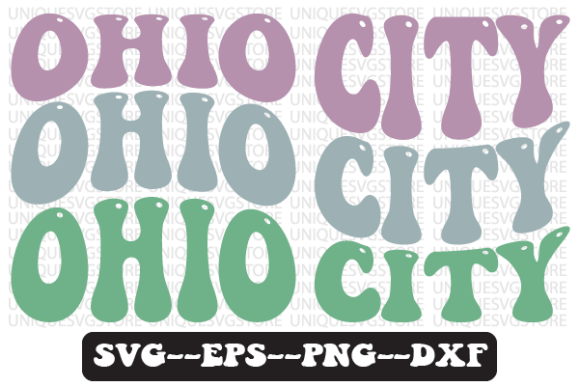
Ohio City Wavy Retro Svg Design
As someone who has spent years evaluating digital assets for real-world application, I don’t just look at a file and see pixels; I see thread tension, fabric distortion, and final product longevity. When I first pulled up the Ohio City Wavy Retro Svg Design, my immediate reaction was one of cautious optimism. The aesthetic is undeniably strong, tapping into that nostalgic wave trend that remains popular in streetwear and boutique apparel. However, the transition from a clean vector to a stitched reality is where most designs fail. This review breaks down exactly how this design performs when moved from screen to hoop, specifically for embroidery designers, small business owners, and crafters looking to add value to their handmade inventory.
First Impressions and Visual Personality
The Ohio City Wavy Retro Svg Design carries a distinct mood right out of the gate. It feels casual yet curated, perfect for the modern maker who wants to sell items that feel personal but also trendy. The wavy typography or graphic elements suggest movement and fluidity, which translates beautifully to certain types of embroidery stitches but can be tricky with others. Visually, it creates a sense of relaxed confidence. It isn’t aggressive or overly complex; instead, it offers a balanced visual weight that works well as a central focal point on garments like hoodies or tote bags.
For an Etsy seller or a crafter preparing a batch of custom gifts, this design hits the sweet spot between recognizable style and versatile application. It doesn’t scream "trend" in a way that will date quickly in six months, nor is it so plain that it lacks character. It sits comfortably in the realm of handmade product aesthetics that appeal to millennials and Gen Z buyers who value authenticity and retro vibes.
Real-World Application: Where It Shines
In my testing scenarios, this design proved particularly effective for larger surface areas. When applied to a heavyweight cotton sweatshirt or a sturdy canvas tote bag, the lines hold their shape without getting lost in the texture of the fabric. The sweatshirt embroidery potential here is high because the retro theme aligns perfectly with current athleisure and casual wear trends. Customers are increasingly looking for personalized pieces that tell a story about their hometown or favorite city, making this a strong candidate for local pride merchandise.
I also found its utility extends beyond apparel. For those creating personalized gift items, such as kitchen towels or aprons, the design’s layout allows for clear readability even when scaled down slightly. The contrast between the wavy lines and the background color (once digitized) ensures that the message comes through clearly. This is crucial for commercial embroidery projects where clarity equals perceived value. A blurry or muddy stitch pattern makes a product look cheap, whereas crisp lines in a finished product signal quality craftsmanship.
Furthermore, the versatility of this graphics asset means it can be adapted for various niches. Whether you are targeting new parents with baby embroidery items like onesies or looking to create unique decor for nurseries, the soft curves of the design soften the overall look, making it gender-neutral and widely appealing. It serves as excellent design assets for creators who need reliable templates that don’t require heavy modification before selling.
Technical Considerations and Stitch Execution
While the visual appeal is high, the technical execution requires careful attention. The wavy nature of the design means that stitch density must be managed correctly. If the fill stitch is too dense, the fabric may pucker, especially on lighter materials. Conversely, if it is too sparse, the underlying fabric might show through, ruining the clean aesthetic. Designers should pay close attention to the satellite stitch or underlay settings to ensure stability.
The use of satin stitch for any outlined text or borders is critical. A tight, clean satin edge gives the design a polished, professional finish that customers associate with high-end brands. However, on curved surfaces like embroidered patch applications or caps, extreme curvature in the waves might cause the needle to hit the same spot repeatedly, leading to thread breaks. In these cases, simplifying the curve or adjusting the angle of the design within the hoop becomes necessary.
Thread color selection plays a massive role in how this design is received. Because the design relies on form and flow, high-contrast thread colors against the fabric background will enhance the retro feel. On dark fabrics, light threads pop, while on light fabrics, darker threads provide definition. Experimenting with metallic or variegated threads could add a premium touch, turning a standard machine embroidery design into a luxury item suitable for wedding gifts or special occasion decor.
Fabric and Stabilizer Compatibility
The success of this project often hinges on what lies beneath the fabric. Using the correct stabilizer is non-negotiable. For stretchy knits like t-shirts and hoodies, a cut-away stabilizer provides the necessary support to prevent the wavy lines from distorting during washing. For woven fabrics like tote bags or tea towels, a tear-away may suffice, but a wash-away backing can help maintain the integrity of delicate edges.
Textured fabrics, such as fleece or heavy denim, present another challenge. The raised nap of these materials can obscure fine details. If the design includes small decorative accents or tiny lettering, these may get swallowed by the fabric texture. In such cases, it is advisable to simplify the detail level or choose a smoother fabric base to ensure the design remains legible and attractive.
Strategic Advice for Sellers and Makers
Before committing to a full production run, always test the design on scrap fabric. This step allows you to inspect small details and check for any potential issues with thread tension or color blending. Reviewing the design in black and white mockups can also help you assess the balance and contrast independent of color choices.
For Etsy sellers and small shop product creators, understanding licensing is paramount. While the digital embroidery file may be purchased for personal use, commercial rights vary. Ensure you have the appropriate license to sell finished items created with the Ohio City Wavy Retro Svg Design. This protects your brand reputation and avoids legal complications.
Additionally, consider how this design fits into your broader brand consistency. If your shop focuses on minimalist styles, this bold retro design might stand out as a unique collection piece. If your brand is already saturated with similar graphics, it may blend in too much. Use this design to differentiate your offerings, perhaps by pairing it with complementary elements or using it in unexpected places, like inside pockets or on shoe tags.
Final Verdict
The Ohio City Wavy Retro Svg Design is a solid choice for makers looking to add a touch of nostalgia and style to their repertoire. Its strength lies in its adaptability across various craft business categories, from apparel to home decor. By paying attention to stitch density, fabric choice, and proper stabilization, designers can transform this digital asset into a tangible, desirable product. It is not just a graphic; it is a foundation for creating memorable custom apparel and meaningful personalized gifts that resonate with customers seeking quality and charm in their everyday items.