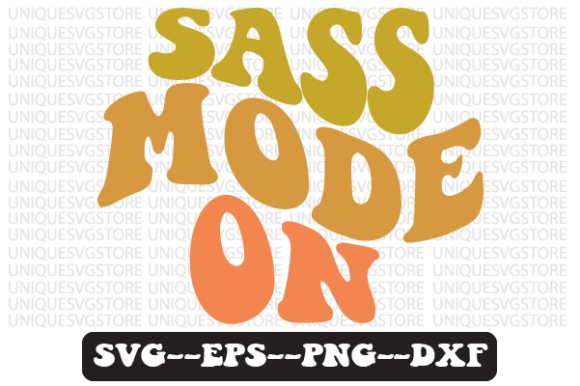
Sass Mode on Wavy Retro Svg Design
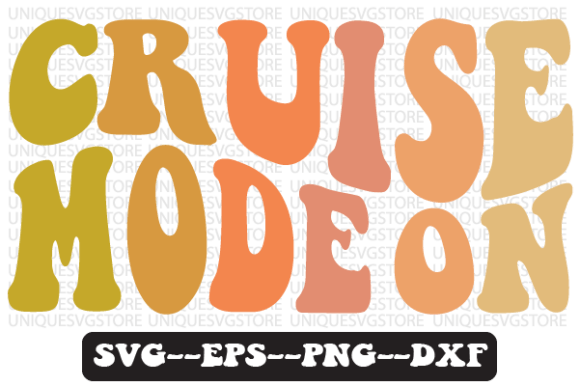
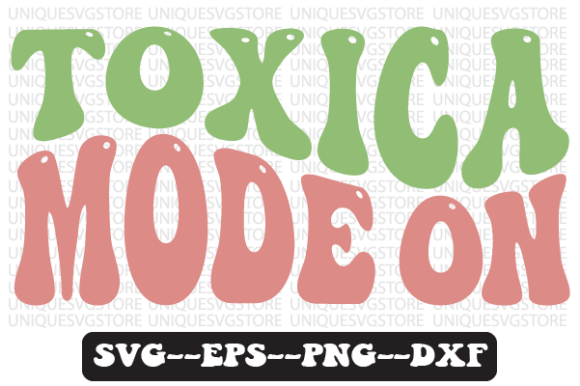
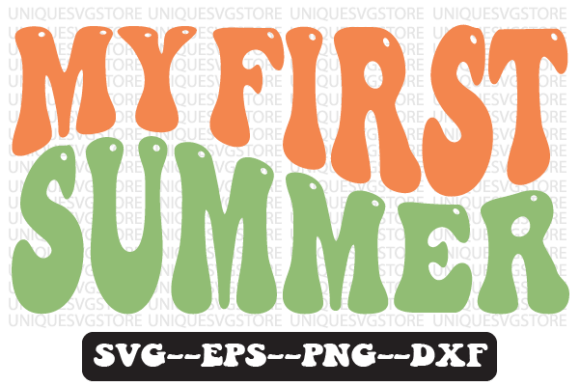
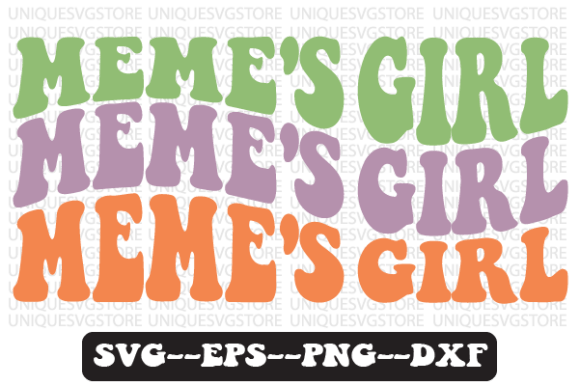
As a designer who spends half my life staring at stitch density charts and the other half arguing with clients about thread colors, I don’t just buy embroidery files; I stress-test them. When Sass Mode on Wavy Retro Svg Design landed in my inbox, my first instinct was to look past the catchy title and examine the structural integrity of the artwork itself. This isn't just another generic clip-art vector slapped onto a background. It is a wavy retro svg design that carries a specific attitude—one that feels like it belongs in a vintage surf shop or a boutique streetwear collection rather than a standard corporate memo.
The mood of this piece is immediate and distinct. The "sass" implied in the title translates visually through confident curves and a playful, slightly rebellious energy. For an embroiderer, the challenge with wavy typography or graphic elements is maintaining legibility while keeping the fabric flat. My initial assessment suggests that this design strikes a clever balance. It has enough visual weight to stand out on a garment but retains the airy, flowing aesthetic that defines the retro trend. It feels less like a decoration and more like a statement, which is exactly what modern consumers are looking for when they invest in handmade or small-batch merchandise.
Real-World Application: From Screen to Stitch
I recently had a scenario that perfectly mirrored how this design could perform in the wild. A client approached me wanting a custom line of tote bags for a local pop-up market. They wanted something that screamed "vintage cool" but wouldn't look dated in five years. I pulled up Sass Mode on Wavy Retro Svg Design as a potential candidate. The concept was simple: a sturdy canvas tote, perhaps in a muted olive or cream, featuring the design prominently on the front panel.
When I mentally mapped this out, I considered the texture of the canvas. Heavy cotton twill can sometimes distort delicate wavy lines if the underlay stitches aren't robust enough. However, the boldness of the retro theme suggested that the design likely uses substantial fill areas or thick satin outlines, which would anchor it beautifully to the fabric. In this context, the design elevates a basic accessory into a branded asset. It transforms a utilitarian item into a fashion piece. For an Etsy seller or a craft business owner, this distinction is crucial. You aren't just selling a bag; you are selling the vibe that the design projects.
This same logic applies to other apparel categories. Imagine this design on a heavyweight sweatshirt. The retro wave motif pairs exceptionally well with chunky knits or fleece blends, creating a tactile contrast between the soft fabric and the structured embroidery. It works equally well for custom apparel like long-sleeve tees or tank tops, where the design can serve as a focal point without overwhelming the silhouette. The versatility here is high, making it a strong candidate for a small shop product lineup that needs to appeal to diverse tastes.
Where Caution Is Required
However, no design is universally perfect, and as a reviewer, I must highlight where Sass Mode on Wavy Retro Svg Design might face challenges. The primary concern lies in scale and fabric choice. If you attempt to digitize or use this design in a very small hoop size—say, for a cap brim or a tiny patch—the intricate waves may collapse into a muddy blob. Embroidery requires negative space to breathe; compressing wavy lines too tightly eliminates the visual rhythm that makes the design appealing.
Furthermore, consider the substrate. While this design shines on stable fabrics like denim, canvas, or cotton blends, it may struggle on highly textured or stretchy materials without proper stabilization. Thin jersey knits, for instance, can pucker around dense stitch areas, distorting the "wavy" effect into something jagged and unintended. If you are planning to use this for baby embroidery on onesies, you must ensure the fabric is stable and the stitch count is not excessive to avoid discomfort against sensitive skin. Similarly, on dark fabrics, the thread color contrast becomes paramount. If the design relies on subtle shading or thin lines, they may disappear against a black background unless you use high-contrast, premium threads.
Technical Considerations for the Designer
Before committing this file to your machine, there are several practical steps every professional should take. First, always test the design on scrap fabric that matches your final project material. This allows you to inspect the stitch density and check for any gaps in the fill stitch coverage. Pay close attention to the corners and intersections of the waves; these are common trouble spots where thread breaks or tangling can occur.
It is also wise to review the design in black and white. Sometimes, color masks structural flaws. By stripping away the hue, you can see if the shape holds up on its own. Additionally, compare how the design looks on both light and dark backgrounds using digital mockups. This helps you decide which thread colors will offer the best readability and visual impact. Don't forget to check the licensing terms. Even though this is categorized under Graphics and Crafts, you need to confirm whether you have commercial rights to sell finished products featuring this design. Using a file for commercial embroidery without proper permission is a quick way to jeopardize your handmade product business.
Impact on Brand and Customer Trust
Using a well-executed design like Sass Mode on Wavy Retro Svg Design directly influences customer perception. High-quality embroidery signals professionalism and care. When a buyer sees crisp lines, consistent tension, and thoughtful placement, they trust the brand behind the product. This design’s retro aesthetic taps into nostalgia, which is a powerful emotional trigger. It suggests that the maker understands current trends while honoring classic styles. For personalized gifts, such as wedding favors or holiday presents, this adds a layer of uniqueness that mass-produced items simply cannot match.
In conclusion, this design is a versatile and stylish addition to any embroiderer’s toolkit, provided it is used with technical awareness. It excels in medium-to-large formats on stable fabrics, bringing a fun, confident energy to tote bag designs, sweatshirt embroidery, and aprons. By respecting the limits of stitch density and fabric choice, you can turn this wavy retro svg design into a standout piece that drives engagement and sales. Just remember to check your stabilizer, test your threads, and let the quality of your work speak for itself.