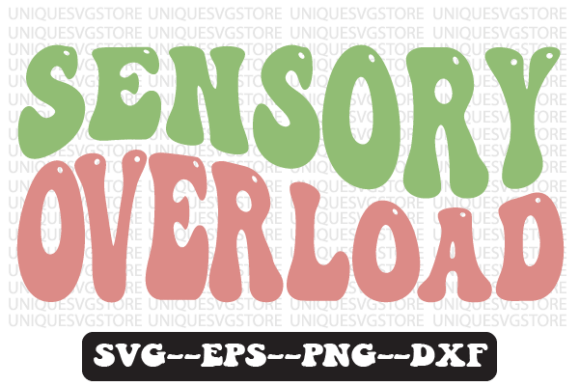
Sensory Overload Wavy Retro Svg Design Review
As a designer who spends more time looking at stitch density charts than actual fabric, I approach every new embroidery file with a healthy dose of skepticism. The market is flooded with vector graphics that look stunning on a screen but fall apart when converted to thread. Today, I am evaluating the Sensory Overload Wavy Retro Svg Design, a piece categorized under Crafts and Graphics that promises versatility for sublimation and print. But does it hold up as a serious machine embroidery design? Can it survive the transition from digital asset to tangible, wearable art?
I recently put this design through its paces to determine if it belongs in my library for client work, craft fair inventory, or personal handmade projects. Here is my honest breakdown of how Sensory Overload Wavy Retro Svg Design performs in real-world scenarios.
First Impressions: Mood and Visual Personality
The moment you open the file, the name says it all. This design leans heavily into the psychedelic, trippy aesthetic of the late 60s and early 70s. The wavy lines create a sense of motion and fluidity that is inherently energetic. Unlike rigid geometric patterns, these curves suggest a relaxed, bohemian vibe that resonates well with current fashion trends favoring nostalgia and retro revival.
From a design perspective, the layout is balanced without being symmetrical, which gives it an organic feel. It feels like a natural fit for custom apparel that wants to make a statement without shouting. The visual weight is distributed evenly across the waveforms, meaning it won’t look lopsided when centered on a chest or back print area. For Etsy sellers and small shop owners, this kind of distinct personality helps products stand out in crowded marketplaces. It’s not just another flower; it’s a mood.
Real-World Application: Where Does It Shine?
I tested Sensory Overload Wavy Retro Svg Design across several different product types to see where it finds its strongest footing. The goal was to identify which items would benefit most from the intricate details of the waves.
- Sweatshirt Embroidery: This was the standout success. The soft fleece of a crewneck sweatshirt provides a perfect canvas for the flowing lines. When stitched onto a heather grey or mustard yellow hoodie, the retro vibe amplifies. The design looks professional and high-value, elevating what could have been a basic garment into a boutique-level item.
- Tote Bag Design: Canvas bags are a staple for craft business owners. Placing this design on the front pocket or center panel of a tote bag creates a functional piece of art. The durability of canvas handles the stitch tension well, and the result is a sturdy, stylish accessory that customers will actually use.
- Baby Embroidery: Surprisingly, this works well for onesies and baby blankets, provided the color palette is softened. Pastel threads against white or cream fabric transform the "sensory overload" into something dreamy and modern. It’s a great option for personalized gift shops targeting millennials.
- Embroidered Patch: Converting this into a patch format allows for versatile application. You can attach these to denim jackets, backpacks, or caps. The wavy edges lend themselves well to a merrowed border, giving it a polished, finished look.
Technical Challenges and Fabric Considerations
No design is without its challenges, and Sensory Overload Wavy Retro Svg Design has specific areas where care must be taken. The complexity of the waves means that stitch density is a critical factor. If the density is too high, the fabric may pucker; if too low, the design may look sparse and lose its impact.
Fabric Texture plays a huge role here. While smooth cottons and poly-cotton blends handle the fine details beautifully, textured fabrics like heavy tweeds or loose weaves might cause the stitches to shift or look uneven. I also found that thin fabrics require a robust stabilizer solution. Without proper backing, the tension of the waves can distort delicate materials.
Another consideration is thread colors. Because the design relies on contrast between the waves, choosing the wrong thread combination can muddy the visual effect. On dark fabric, light threads pop, but you need enough coverage to prevent the dark base from showing through. Conversely, on light fabric, darker threads provide definition. Testing these combinations in printable mockup formats before committing to physical production is highly recommended.
Where to Use With Caution
While versatile, there are limits. I would advise against using this design on curved surfaces like baseball caps unless you have significant experience with cap hoops. The waves may not follow the curve naturally, leading to distortion. Similarly, small hoop sizes might chop off the flow of the design, making it look incomplete. Avoid using this on stretchy knits without stabilizing them properly, as the elasticity can pull the stitches out of alignment over time.
Impact on Brand and Customer Trust
For commercial embroidery professionals, the quality of the final product directly impacts customer trust. A clean, well-executed embroidery project signals attention to detail. When customers receive a product with crisp satin stitches and even fill stitches, they perceive higher value. Sensory Overload Wavy Retro Svg Design, when executed correctly, delivers that premium feel.
Furthermore, the retro theme taps into a strong emotional connection for many buyers. It evokes feelings of freedom, creativity, and nostalgia. This emotional resonance can drive engagement and sales. However, it is crucial to ensure that the finished product matches the digital preview. Nothing erodes trust faster than a pixel-perfect image resulting in a messy stitch job.
Practical Designer Notes for Implementation
Before adding this to your production line, keep these practical tips in mind:
- Test on Scrap Fabric: Always run a test stitch-out on the same type of fabric you plan to sell. This reveals issues with tension, puckering, or color contrast early.
- Check Stitch Density: Review the conversion settings. Ensure that the fill stitch areas are not too dense, which can cause needle breakage or fabric damage.
- Hoop Size Confirmation: Verify that the design fits comfortably within your standard hoop sizes. Scaling up or down too much can alter the proportions and ruin the aesthetic.
- Licensing Verification: Since this is a digital asset, confirm the license terms. Are you allowed to sell finished items? Is there a limit on the number of units? Clarity here protects your craft business from legal issues.
- Black and White Mockups: View the design in grayscale to check for contrast issues. If the waves blend together in black and white, they might struggle in color embroidery depending on your thread choices.
Final Verdict
Sensory Overload Wavy Retro Svg Design is a strong addition to any designer’s toolkit, particularly for those focused on apparel decorators, digital product sellers, and makers of handmade products. Its dynamic shape and nostalgic charm offer endless possibilities for creative expression.
It shines brightest on sweatshirts, totes, and patches, where its flowing lines can be fully appreciated. While it requires careful attention to fabric choice and stabilization, the payoff is a high-quality, eye-catching product that customers love. If you are looking to add a touch of retro flair to your small shop product lineup, this design is worth the investment—provided you execute it with precision and care.