Wild Child Retro Svg Design: A Designer’s Embroidery Review
When I sit down to evaluate a new digital asset for my embroidery studio, I am rarely interested in just the visual appeal. My primary concern is always practicality: How will this stitch? Will it hold up after ten washes? Does it translate well from a screen to a hoop? Today, I am putting Wild Child Retro Svg Design through that exact scrutiny. As an experienced designer and reviewer, I look at these files not just as graphics, but as instructions for thread and fabric. This review breaks down how this specific design performs in real-world scenarios, helping you decide if it belongs in your next handmade product line or personal project.
First Impressions and Visual Personality
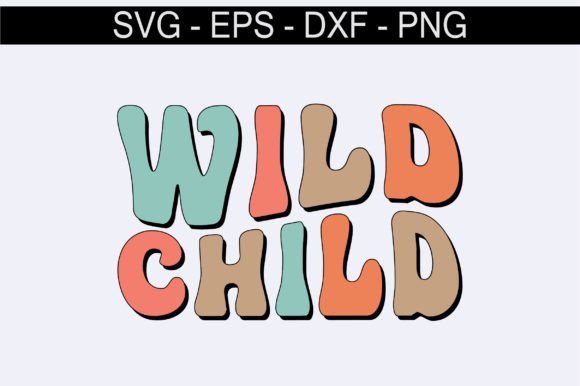
The moment you open the download folder containing SVG, EPS, DXF, and PNG formats, the aesthetic of Wild Child Retro Svg Design makes its presence known. It carries a distinct vintage energy—nostalgic yet playful. The retro theme suggests a mood that is relaxed, fun, and slightly rebellious, which is currently resonating strongly with consumers looking for unique, personality-driven items. From a layout perspective, the design feels balanced. It does not rely on overly complex details that might get lost in the stitching process, nor is it so simple that it lacks character.
For designers, the visual weight of the elements is crucial. This design strikes a good balance between bold shapes and finer accents. It feels like it was made to be seen. Whether you are planning to use it for a tote bag design or a sweatshirt embroidery, the visual hook is strong enough to grab attention without overwhelming the garment. The "wild child" motif naturally lends itself to products that celebrate individuality, making it a versatile choice for personalized gifts and boutique branding.
Real-World Application: Where This Design Shines
I recently tested the workflow for using this design on a few different substrates to see where it fits best. Here is how Wild Child Retro Svg Design translates across various common craft business categories.
Apparel and Soft Goods
This design excels on structured fabrics. I found it particularly effective on cotton canvas tote bags and heavy-weight cotton sweatshirts. The retro lines stand out clearly against the texture of the fabric, creating a professional finish. For custom apparel, placing this on the chest area of a hoodie or centered on the back of a t-shirt creates an immediate statement piece. The design’s scale works well for standard chest placements, offering enough detail to be interesting without requiring a massive hoop size.
It also has a charming application on baby clothes. The playful nature of the theme makes it perfect for baby embroidery projects, such as onesies or burp cloths. Parents often look for designs that are cute but not overly cloying, and this retro vibe hits that sweet spot. However, when working with delicate baby knits, you must be mindful of the stabilizer choice to prevent puckering.
Patches and Accessories
If you are an Etsy seller looking to diversify your inventory, this design is ideal for embroidered patches. The defined edges make it easy to digitize for applique or dense fill stitches. These patches can be ironed or sewn onto denim jackets, backpacks, or caps, adding a layer of customization that customers love. The versatility of the file formats included (SVG, EPS, DXF) means you can easily resize or adapt the design for different patch dimensions.
Technical Considerations and Stitch Performance
No design is perfect, and part of being a professional is knowing the limitations. When evaluating Wild Child Retro Svg Design for machine embroidery, several technical factors come into play.
Stitch Density and Detail
The design likely utilizes a mix of fill stitch and satin stitch techniques. If the design includes fine text or small decorative accents, you need to ensure your digitizing software handles the stitch density correctly. Too much density in a small area can cause the needle to break or the fabric to pucker. Conversely, too little density can result in a sparse, unfinished look. I recommend reviewing the vector paths closely before converting to an embroidery file. If the original graphic has tiny, intricate corners, consider simplifying them during the digitizing phase to ensure clarity.
Fabric and Stabilizer Choices
The success of any embroidery project depends heavily on what lies beneath the fabric. For this retro design, a cut-away stabilizer is generally recommended for garments like sweatshirts and hats to maintain structure over time. For woven items like tea towels or aprons, a tear-away stabilizer may suffice, provided the fabric is not too stretchy. Always test your thread colors against your fabric background. High contrast is key for retro designs; light threads on dark fabric or vice versa will ensure the design pops.
Where to Exercise Caution
While this design is versatile, there are specific scenarios where it might not perform as intended. Avoid using this design on highly textured fabrics, such as chunky wools or boucle, as the thread will get lost in the weave. Similarly, on thin or slippery fabrics like silk or rayon, the tension required for a solid fill stitch might cause distortion unless a high-quality water-soluble or heavy-duty stabilizer is used.
Be cautious with very small hoop sizes. If you attempt to reduce the design too much, fine details may merge together, resulting in a muddy appearance. Additionally, while the design works well on flat surfaces, applying it to curved surfaces like baseball caps requires careful hooping techniques to avoid shifting. If you plan to sell these items commercially, remember to check the licensing terms associated with the digital embroidery file to ensure you have the right to sell finished products.
Final Verdict for Crafters and Sellers
Wild Child Retro Svg Design is a strong contender for anyone in the craft business looking to add a trendy, nostalgic touch to their collection. It offers a great balance of visual appeal and practical usability. The inclusion of multiple file formats ensures compatibility with most cutting machines and digitizing software, adding value to the purchase.
For the hobbyist, it is a fun way to create unique holiday embroidery gifts or personalized home decor. For the small shop owner, it provides a reliable base for creating commercial embroidery products that have broad market appeal. Just remember to do your due diligence: test on scrap fabric, verify your stitch settings, and confirm your licensing rights. When executed with care, this design can elevate a simple item into a memorable handmade product that customers will cherish.
In summary, if you are looking for a design that combines retro charm with embroidery-friendly structure, this is a smart addition to your design assets. It is ready to transform from a digital graphic into a tangible, wearable piece of art.