Wild Two Wavy Retro Svg Design Review
As a designer who spends more time staring at stitch charts and fabric swatches than sleeping, I have learned to be skeptical of any graphic that promises "easy" results. The market is flooded with generic vector art that looks beautiful on a screen but falls apart when translated into thread. That is why I approach every new asset, like the Wild Two Wavy Retro Svg Design, with a critical eye. I am not just looking for aesthetics; I am looking for structural integrity, stitching clarity, and commercial viability. After evaluating this piece for potential use in real-world embroidery projects, here is my honest breakdown of how it performs from concept to finished product.
First Impressions: Mood and Visual Personality
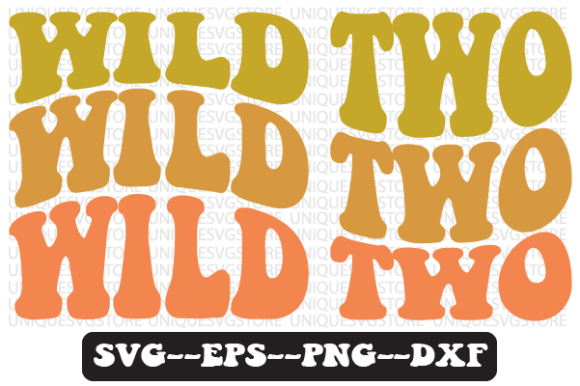
The moment you open the file, the vibe is unmistakable. This design taps directly into the nostalgic wave of retro aesthetics, utilizing fluid, undulating lines that suggest movement and energy. In the world of Graphics and digital assets, capturing a specific era without looking dated is difficult. This design succeeds by keeping the shapes bold and the negative space intentional. It feels playful yet structured, which is a crucial distinction for embroidery. Unlike intricate illustrations that require thousands of individual stitches to render correctly, this design relies on strong outlines and flowing forms. For an embroidery designer, this translates to fewer complications during the digitizing or direct-stitching process. The visual personality is confident—it does not whisper; it shouts with a vintage flair that resonates well with current trends in streetwear and boutique apparel.
Real-World Application: From Screen to Stitch
To truly judge an embroidery file, you have to imagine it on physical objects. Let’s walk through a realistic scenario. Imagine you are preparing a custom order for a local boutique client who wants a line of unisex hoodies featuring abstract, mood-based graphics. You select the Wild Two Wavy Retro Svg Design for its dynamic flow. When placed on the chest of a heavyweight cotton hoodie, the wavy lines create a sense of motion that contrasts beautifully with the rigid structure of the garment. The design works exceptionally well as a standalone statement piece because it does not rely on tiny text or complex shading that might get lost in the fabric's texture.
However, the versatility extends beyond heavy fabrics. Consider a smaller project, such as a baby onesie or a nursery wall hanging. Here, the soft curves of the design feel gentle and modern, avoiding the harshness that some geometric retro designs can impose. For a handmade product seller, this adaptability is gold. You can market the same design asset across multiple categories—from custom apparel to home decor—without feeling like you are repeating yourself. The design’s clean lines ensure that it remains legible whether it is scaled up for a large tote bag or scaled down for a cap front panel.
Performance on Different Fabrics and Products
Not all surfaces treat embroidery equally, and the Wild Two Wavy Retro Svg Design has specific strengths and weaknesses depending on what you stitch it onto. On stable, woven fabrics like canvas for a tote bag design or thick cotton for a sweatshirt, the design shines. The threads lay flat, and the wavy pattern maintains its intended shape without distortion. This makes it an excellent choice for commercial embroidery projects where consistency is key.
Conversely, there are areas where caution is required. If you attempt to stitch this on highly textured fabrics, such as chunky knits or bouclé wool, the fine details of the waves may become obscured. The background texture competes with the design, leading to a muddy final look. Similarly, on stretchy fabrics like thin jersey or spandex blends, the tension of the embroidery thread can cause the fabric to pucker. In these cases, using a proper stabilizer is non-negotiable. Without adequate support, the fill stitch areas (if present in the digitized version) or the dense outline areas will pull the fabric out of alignment, ruining the professional finish.
Another consideration is dark fabric. While the design itself is vector-based, its effectiveness in thread depends heavily on your thread colors. On black or navy garments, you will need high-contrast threads to make the waves pop. If you choose low-contrast colors, the design loses its impact, especially in dim lighting. Testing your color palette on a scrap of the actual garment fabric is the only way to guarantee customer satisfaction.
Technical Execution and Stitch Clarity
When analyzing the technical side, the layout of the Wild Two Wavy Retro Svg Design suggests a reliance on smooth transitions. In machine embroidery, this often means a mix of satin stitch for borders and running stitch or light fill stitch for internal details. The stitch density must be balanced. If the design is too dense, it becomes stiff and uncomfortable to wear. If it is too sparse, it lacks presence. Based on the visual weight of the original graphic, it appears to favor a lighter touch, which is ideal for breathability and comfort in apparel decorators working with summer collections.
For those creating an embroidered patch, this design offers a clean edge that trims easily. The lack of extreme fine points reduces the risk of thread breaks during trimming, making it a safer bet for mass production. However, always inspect the corners and tips of the waves. Even slight irregularities in the digitizing can lead to loose threads or snagging, so a pre-production sample is essential.
Strategic Advice for Sellers and Makers
If you are an Etsy seller or running a craft business, understanding the end-use of your designs is part of your value proposition. The Wild Two Wavy Retro Svg Design appeals to a broad demographic. It fits the aesthetic of the bohemian traveler, the retro enthusiast, and the modern minimalist alike. To maximize its appeal, consider pairing it with complementary elements. For instance, combining it with simple typography on a kitchen towel or a pillow cover creates a cohesive collection.
Before listing any finished items, ask yourself: Does this design hold up to frequent washing? Embroidery is durable, but poor stitching techniques can lead to unraveling. Ensure that your backstitches are secure and that the design is anchored properly. Furthermore, if you are selling digital files, provide clear mockups that show the design on different backgrounds. A printable mockup that demonstrates the design on both light and dark fabrics helps buyers visualize the final result, reducing returns and increasing trust.
Practical Pre-Flight Checklist
- Test on Scrap Fabric: Never go straight to the final product. Stitch the design on a scrap piece of the exact fabric you plan to use to check for puckering or thread breakage.
- Check Hoop Size: Verify that the design dimensions fit comfortably within your machine’s hoop, leaving enough margin for handling.
- Review Stitch Density: Zoom in on the digitized file. Are there any overlapping stitches that could cause bulk? Adjust the density if necessary.
- Confirm Licensing: Always read the terms of service. Some digital embroidery files allow personal use only, while others permit commercial sales of finished goods. Ensure you have the right to sell products made with this design.
- Black and White Test: View the design in grayscale. This helps you assess the contrast and balance of the shapes without the distraction of color.
Final Verdict
The Wild Two Wavy Retro Svg Design is a versatile, visually striking asset that brings a unique energy to any embroidery project. Its strength lies in its simplicity and boldness, allowing it to stand out on a variety of mediums from sweatshirt embroidery to delicate baby embroidery. While it requires careful attention to fabric choice and stabilizer usage, particularly on stretchy or textured materials, the payoff is a high-quality, professional-looking finished product. For designers and entrepreneurs looking to add a touch of retro flair to their small shop product lineup, this design is a solid investment. It is not just a graphic; it is a functional tool for creating memorable, tactile experiences for your customers.